Kansas City shoppers trust their neighbors. That habit shows up in search data every day. When a homeowner types “HVAC repair near me” or a family searches “best tacos in Westport,” top map results jump out, and the eye goes straight to the star rating and the review count. Those stars are not decoration. They influence click-through, calls, and foot traffic. For local SEO marketing, reviews are both a ranking factor and a conversion engine. Treat them as such, and you turn local visibility into booked appointments and steady revenue.

I lead local SEO work for Kansas City businesses that rely on the next job, the next table, the next patient. Reviews are the most controllable lever for a small operation to outpace bigger competitors. Not the only lever, but often the most decisive one in the map pack. Here is how I approach it in practice, with details you can implement this week.
Why reviews move the map pack
Google’s local algorithm blends relevance, distance, and prominence. Reviews feed all three. The content in reviews boosts relevance through natural language that mentions your services, neighborhoods, and problems solved. The volume and velocity of reviews signal prominence. The star rating and response patterns influence click behavior, and click behavior reinforces perceived prominence and engagement.
I have seen a Shawnee landscaping company jump from second-page obscurity to the top-three map results within eight weeks after we stabilized NAP data, added 60 high-quality photos, and increased their review pace to four to six per week. Nothing else changed. They went from a trickle of inbound calls to averaging nine extra calls on Mondays during peak season. The reviews did not only lift ranking, they overcame hesitation. Prospects saw neighbors mention cul-de-sacs they knew and streets they drove every day.
A quick reality check matters. Reviews alone cannot repair broken fundamentals. If your Google Business Profile lists the wrong hours, your service area is vague, or your phone goes to voicemail at noon, stars won’t save you. Strong local SEO optimization sets the table, while reviews bring the meal.
Set the foundation: the profile that earns clicks
Think of your Google Business Profile as a compact sales page that sits inside Maps. You control far more than most owners realize, and each field affects how reviews convert.
Start with precision. Use a single, consistent name, address, and phone number across your site, city chamber listing, and major directories. Kansas City has a tangle of neighborhood names, ZIP overlaps, and city lines. If you service Olathe and Overland Park but your profile says “Kansas City Metro,” you look generic. Spell out your service areas in the business description and use clarifying language in services, not just in posts.
Upload authentic photos every month. People underestimate how much photos drive call rates. A Brookside dental office saw a 22 percent lift in calls from profile views after we updated treatment room photos and added a photo tour. Avoid stock images. Capture real equipment, the storefront, the parking situation, and friendly faces. Reviews and photos work together. A photo of your front door paired with a review that says “easy parking behind the building off Wornall” removes friction for a first-time visitor.
Choose categories with intent. Primary category should reflect your money-term, not the catch-all. A “Personal Injury Attorney” will outrank a “Law Firm” when someone searches for injury-specific queries near Crown Center. Add secondary categories for related services, but do not stuff. Tie services to those categories and write service descriptions as if a neighbor asked, “What exactly do you do?” Plain language beats jargon, and it fuels relevance in review content when customers repeat those words.
A review system that runs during real work
Most businesses handle reviews ad hoc. They ask when someone raves, then forget for two weeks. That sporadic pace produces clumps of feedback and long gaps. The algorithm notices the rhythm, and prospects notice, too. A company with three fresh reviews this week looks active. A company with 80 reviews but none this year looks stale.
You do not need expensive software to build a review engine. You need a consistent trigger, the right timing, and a frictionless link. In service trades, the best trigger is the moment of visible completion. When the technician shows the replaced part or the dryer starts humming again, that relief is peak willingness. In restaurants, the right moment can be the digital receipt. In medical practices, it is often the follow-up text sent the same day.
Here is a simple pattern that works in Kansas City’s local SEO marketing landscape without feeling pushy:
- Ask at a natural high point, then send a short, specific text link within 15 minutes. Follow up once after 48 hours, no more. Give the customer a reason connected to community. Mention that reviews help neighbors find reliable help, and that you read every word. Keep the link direct to your Google review form. Remove extra steps. Train the person asking to use a conversational script, not a pitch. Authentic tone beats templates. Rotate who asks and measure who performs. A cheerful office manager often beats the owner.
Note that not every industry can ask immediately. In remodels, the high point arrives when the customer lives with the result for a week. In legal, timing is sensitive and sometimes restricted. Your local SEO strategy should respect these dynamics while still building steady pace.

The language that earns richer reviews
Short five-star ratings raise the average, but long, specific reviews change minds. People look for signals like “arrived on time,” “fixed it in one visit,” “quoted price matched the bill,” or “they shoveled my driveway to bring the new fridge in.” Those details bring credibility that a star count cannot.
You cannot script what customers write, nor should you. You can, however, prime the pump by framing your ask around specifics. “It would mean a lot if you shared what we fixed and what stood out about the visit” yields better content than “please leave a review.” In my experience, a single sentence that mentions time, location, and result generates keywords naturally without violating guidelines. I have seen Midtown customers write “same day water heater replacement near 39th Street” all on their own after staff planted the seed in a polite, human way.
Do not fear mentions of neighborhoods. Google parses these as location signals. A mix of “Prairie Village,” “North KC,” and “Lee’s Summit” in reviews mirrors your true service footprint and can improve visibility for those searches where distance is fuzzy.
Respond like a neighbor, not a bot
Responses to reviews are public content, and they absolutely influence conversion. I have tested response styles over months and saw measurable lifts in calls when responses sounded local and practical. Avoid the canned “Thank you for your review” copied 200 times. Write like a person who remembers the job.
If a review mentions a clogged kitchen sink in Waldo, respond with a reference to that detail. Keep it short. Thank them, nod to the specific, and include a subtle next step. Overdoing the call-to-action feels needy. A line like “If that sink gives you trouble again, call us and we will prioritize you” reads like service, not a pitch.
Negative reviews deserve discipline, not defensiveness. A tight, fact-forward reply earns respect from onlookers even if the reviewer stays unhappy. Offer to continue offline, clarify any policy politely, and fix what you can. An HVAC company I work with turned a two-star complaint into a five-star update after owning a scheduling mistake and arriving with a loaner heater during a cold snap. That response showed future customers how they act under pressure, and their local SEO services benefited from the trust that followed.
Balancing platforms without losing focus
In Kansas City, Google carries the most weight for local local seo management SEO optimization. Still, some sectors feel pressure from Yelp, Facebook, Healthgrades, or Avvo. Choose a core and a satellite. For restaurants and salons, Yelp can impact discovery, but Google remains the conversion path through Maps and branded searches. For medical and legal, compliance rules and platform norms matter, so set internal guidance and gain consent before asking.
I build review funnels with Google as the first and only link in the initial ask. If a customer cannot use Google or prefers Facebook, we keep a separate link handy and offer it. Resist the urge to send a page full of icons. That creates choice overload and reduces completion rates. Over a year, this steady discipline builds a strong center of gravity around your Google profile, which supports your local SEO strategy across the board.
Guardrails that protect your reputation and rankings
Review gating is the fastest way to jeopardize trust. Do not filter customers by sentiment before giving them the review link. Google calls this out. I have audited accounts where a vendor used a two-step form to hide unhappy customers. It worked for three months, then the profile took a hit after a wave of filtered feedback emerged elsewhere. The rebound took longer than the initial gains were worth.
Incentives are another trap. A raffle for a gift card can seem harmless, but it violates platform rules and warps the language in reviews. You end up with five-star fluff that reads like a contest entry. If you genuinely want to thank customers, stick to handwritten notes or a small branded magnet. People write strong reviews when they feel seen, not bribed.
Finally, do not copy reviews onto your website without clear attribution and permission. Better yet, embed the Google review widget or use a platform that renders compliant structured data. When you pull gold from your reviews for on-site content, paraphrase and keep attribution general. Search engines reward honesty and users will sniff out anything that feels staged.
Convert reviews into on-page relevance
Local SEO for small businesses does not end at the map. Your website should echo the language that shows up in reviews. If customers keep praising “quick sump pump installs before storms,” create a short section on your plumbing page that addresses storm prep and rapid installs. Quote patterns from reviews, then build content that answers those needs. Over time, you align your on-site storytelling with real demand.
City pages still have a place, but only if they add value. A generic “Olathe Plumber” page with boilerplate copy and a few city names will not move the needle. Use your reviews to drive substance. If you have 27 reviews from Olathe that mention finished basements, humidity issues, and HOA constraints, a city page that tackles those specifics will ring true. Add photos from jobs in that area, with client permission, and include a comment about typical scheduling times in that part of town. This is local SEO content built from lived experience, not a template.
Pace, not spikes: managing the long game
Review volume helps, but velocity and consistency carry more weight than most realize. A sudden burst of 40 reviews in a week looks unnatural unless there is a clear event. Spread your requests so your profile gains a couple of reviews each week or each month depending on size. A contractor that completes 20 jobs per week can aim for six to eight reviews weekly. A boutique that sells high-ticket items might target four to six per month. The right cadence matches real throughput.
Seasonality affects Kansas City more than some markets. HVAC, roofing, lawn care, and even dental cosmetic work spike in certain months. You will see review pace rise naturally. Maintain the system during slow periods too, even if the numbers shrink. The profile that never goes quiet tends to outrank the one that bursts then sleeps.
Using reviews to influence service design
Local SEO marketing is not a veneer. Reviews tell you what to fix. Treat them like a free quality assurance feed. If three customers in Northland mention confusion about arrival windows, tighten your dispatch communication. If Prairie Village clients praise shoe covers and clean drop cloths, make those standard and mention them in your on-site copy and in your ask. Deploy tiny operational changes that remove friction, and your review language will improve on its own.
For a Mission-based electrician, we tightened the estimate process after reviews flagged surprises on final invoices. The team started sending a one-paragraph recap by text after each estimate. Within two months, mentions of “no surprises” and “matched the quote” doubled. Calls from map views climbed 18 percent, and the owner stopped discounting defensively during consultations because trust was already established.
How agencies and consultants fit
A local SEO agency should not hide behind dashboards. In review management, they should build your system, write your scripts, train your staff, and then get out of the way so your voice stays yours. They can monitor sentiment, catch outliers fast, and surface insights. They can also audit competitors, which helps you see where you can win. If the top roofer in Overland Park has 450 reviews but weak responses, you can compete with 150 reviews and strong, specific replies within six months.
Hiring a local SEO company or working with a local SEO consultant is not a pass to outsource empathy. Customers respond to the people who helped them, not to a brand handle. The best agencies teach teams to ask well, respond well, and learn from feedback. Tools matter. Process matters more.
Practical numbers when setting goals
Benchmarks vary by niche, but ranges help. In greater Kansas City:
- Service-area businesses in home services can aim for 150 to 300 total Google reviews within 12 to 18 months, with a pace of four to eight per week during busy seasons and two to four in slower months. Healthcare practices often land between 200 and 600 reviews over two to three years, with strict compliance guardrails and consistent, staff-led asks at checkout. Restaurants with high foot traffic can gather 1,000 plus, but quality controls, photo updates, and menu accuracy determine how those reviews translate into reservations.
The star rating goal should be 4.6 to 4.9. A perfect 5.0 with few reviews can look suspicious. A 4.7 with hundreds reads trustworthy. Monitor the distribution. If you see a cluster of three-star reviews citing the same issue, fix the root cause quickly before asking for more volume.
Turning stars into revenue you can measure
Map rankings and profile views are vanity metrics unless they translate into dollars. Tie your review program to trackable actions. Use call tracking with local numbers, not toll-free. Set up UTM parameters on your website link inside Google Business Profile so you can attribute traffic correctly in analytics. Create a dedicated appointment conversion in Google Analytics that fires on calls longer than 45 seconds or on completed booking forms. Track changes month over month as your review volume and average rating shift.
I push clients to measure micro-conversions too. Clicks on the phone icon, direction requests, and menu views predict revenue. When we lifted a Crossroads coffee shop’s rating from 4.2 to 4.6 over four months, direction requests rose 31 percent and same-store sales on weekends climbed 14 percent. Reviews did not brew the coffee, but they got more people in the door.
When to invest in professional help
You can do a lot with internal effort. If any of these apply, an outside partner earns their keep:
- You operate multi-location across state lines and need review governance, not just volume. You face reputation recovery after a service meltdown, and you need a calm, structured plan. You serve regulated industries and require staff training with compliant scripts and timing. You need to integrate reviews with CRM data to identify customer lifetime value by review cohort. You want to benchmark competitors and set precise goals by neighborhood.
The right local SEO solutions pay for themselves when call volume and booking quality rise together. Look for a partner who speaks plainly, shows you raw data, and treats reviews as part of the whole, not a standalone vanity project.
A Kansas City checklist for the next 30 days
Use this as a short, focused plan to start converting stars into sales:
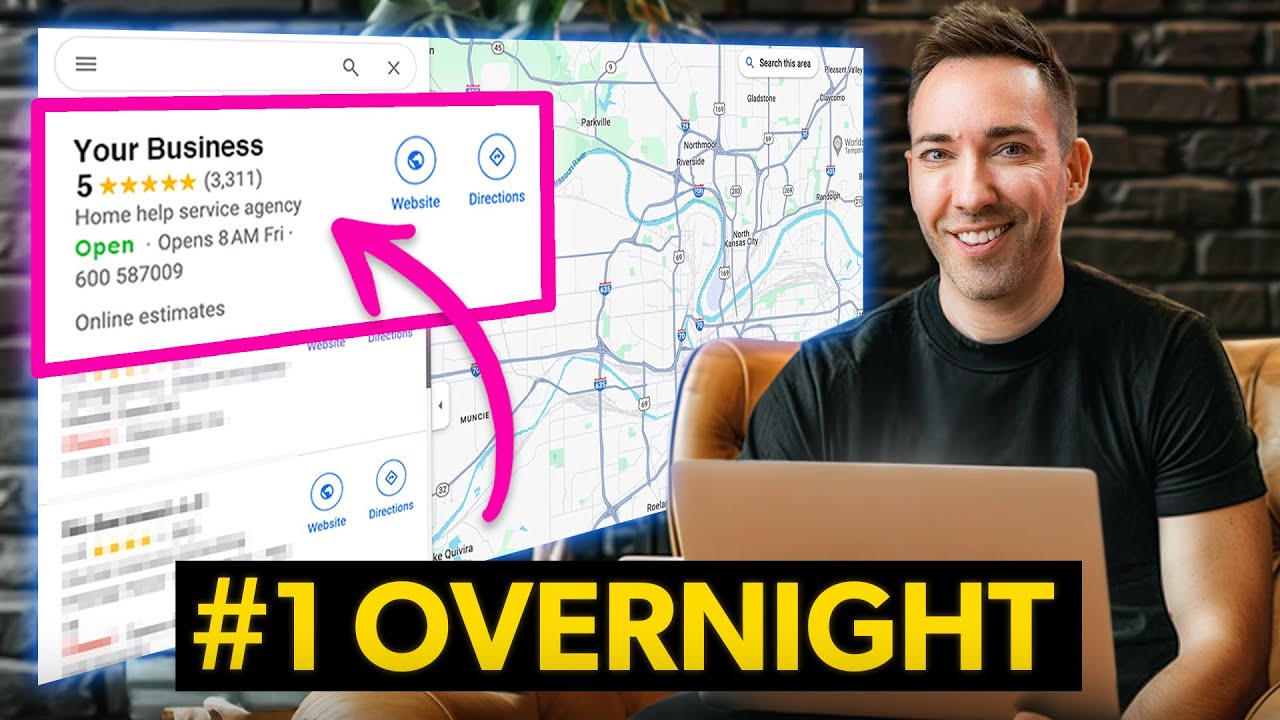
- Verify and fully complete your Google Business Profile, with accurate service areas, hours, and 12 to 20 authentic photos. Write a two-sentence review ask and a two-sentence reply style guide. Train the front line, not just managers. Create a direct Google review link and place it in your CRM or invoicing tool for one-tap sending. Set a realistic weekly review target based on job volume. Track asks sent, not just reviews received. Respond to every new review within 48 hours, and resolve negative feedback with one offline step and one public note.
The competitive edge comes from being reliably human
Local SEO marketing rewards businesses that show up locally with clarity and care. Reviews are how your market takes your measure. They reveal what people value when the job is done well, and they shine a light on the friction you need to remove. Lean into that. Encourage real stories, respond like a neighbor, and let those interactions shape your operations. The map pack will notice. Prospects will notice more.
If you are in Kansas City and you depend on the next call, build your local SEO strategy around authentic reviews tied to a strong, complete profile and a website that reflects what people already love about your work. That is how stars turn into bookings, tables, and signed service agreements, week after week.